

JAKE, JAKER, JAKEST
Competitive Scrabble is a lexical shitshow

UNDER AN OAK-BEAMED CEILING on the top floor of one of Washington, D.C.’s coolest museums, Planet Word, more than 90 kids gathered last April to vie for $5,000 and youth Scrabble bragging rights. The North American School Scrabble Championship is serious business. The No. 1 high-school seed was ranked in the top 150 of all players in the U.S. and Canada. The younger-kids division included a 4th-grader who was training with the reigning North American title-holder, Mack Meller, who himself competed in the event more than a decade earlier.
I’ve been involved in School Scrabble for a long time: writing scripts and doing color commentary for ESPN when it televised the tournament, and other Scrabble championships, in the aughts (it was The Ocho before The Ocho); running clubs in D.C. public schools since my now-23-year-old daughter, Chloe, was in kindergarten (she played in the school event eight times); and, starting in 2022, helping organize the tourney at Planet Word.
In those years, I’ve seen kids drop insane words—like AASVOGEL, a South African vulture, and CALISAYA, the medicinal bark of a Peruvian tree, and the “phony” REDISCERN through the E and the C already on the board (another former champ, Will Anderson, made a 10-minute video about that game; the ending is absolutely bonkers). I’ve seen experienced competitors—coached by adults to do so—play fake words to run up the score against newbies reduced to tears. I’ve seen my daughter have a middle-school meltdown after a crushing defeat, but also emerge giddily from the playing room after laying down MOVIEOLA (a device for viewing and editing film), which she’d just studied.
But I’d never seen anything like what happened during Round 9 of the high-school division at the 2025 tournament. It had nothing to do with the ability of the players—the top two seeds, classmates and pals, regulars on the tournament Scrabble circuit, and great kids, too. Instead, it reflected some uncomfortable realities about humans and words: the dysfunction that defines the small community of competitive Scrabble players in North America, to which I’ve devoted a big chunk of my life for more than a quarter-century, and the debate, rancor, misunderstanding, and confusion around what constitutes a word, and who, ultimately, gets to decide.
THE GAME IN QUESTION PITTED two 11th-graders from Scarsdale, N.Y., Noah Goldstein, a soccer goalkeeper and golfer who pulled his curly hair into a man bun, and Cameron Siegal, a lacrosse and basketball player with a cherubic face and a killer smile. Noah took up the game thanks to his dad, Eric, who joined the Scrabble scene after reading my 2001 book Word Freak. After covid, Eric started a club at the boys’ high school. In the last three-plus years, Noah and Cam, with their families, have zigzagged the country playing in rated tournaments against (mostly) adults—nearly 80 tournaments for Noah and 40 for Cam. Both have achieved expert-level ratings.
With two games remaining, Cam had an 8-0 record; he’d already beaten Noah in Round 6, 495-411. Noah sat at 6-2 and needed to win to preserve a shot at a spot in the one-game final between the first- and second-place finishers in the 18-player field. From an opening rack of AEEHPQS (in Scrabble notation, letters are arranged alphabetically and capitalized), Noah laid down PEH, a Hebrew letter, for 16 points. How did he know that? The best youth players have memorized the nearly 1,200 acceptable three-letter words. Cam held ADGJKS and one of the two blank tiles. He dumped off his two high-scoring but in this case hard-to-use letters, playing the unusual word JAKE to the E in PEH for 15 points, keeping the more-synergistic DGS and the blank. Here’s how the board looked on the tournament livestream (the game starts at the 2:37:45 mark):
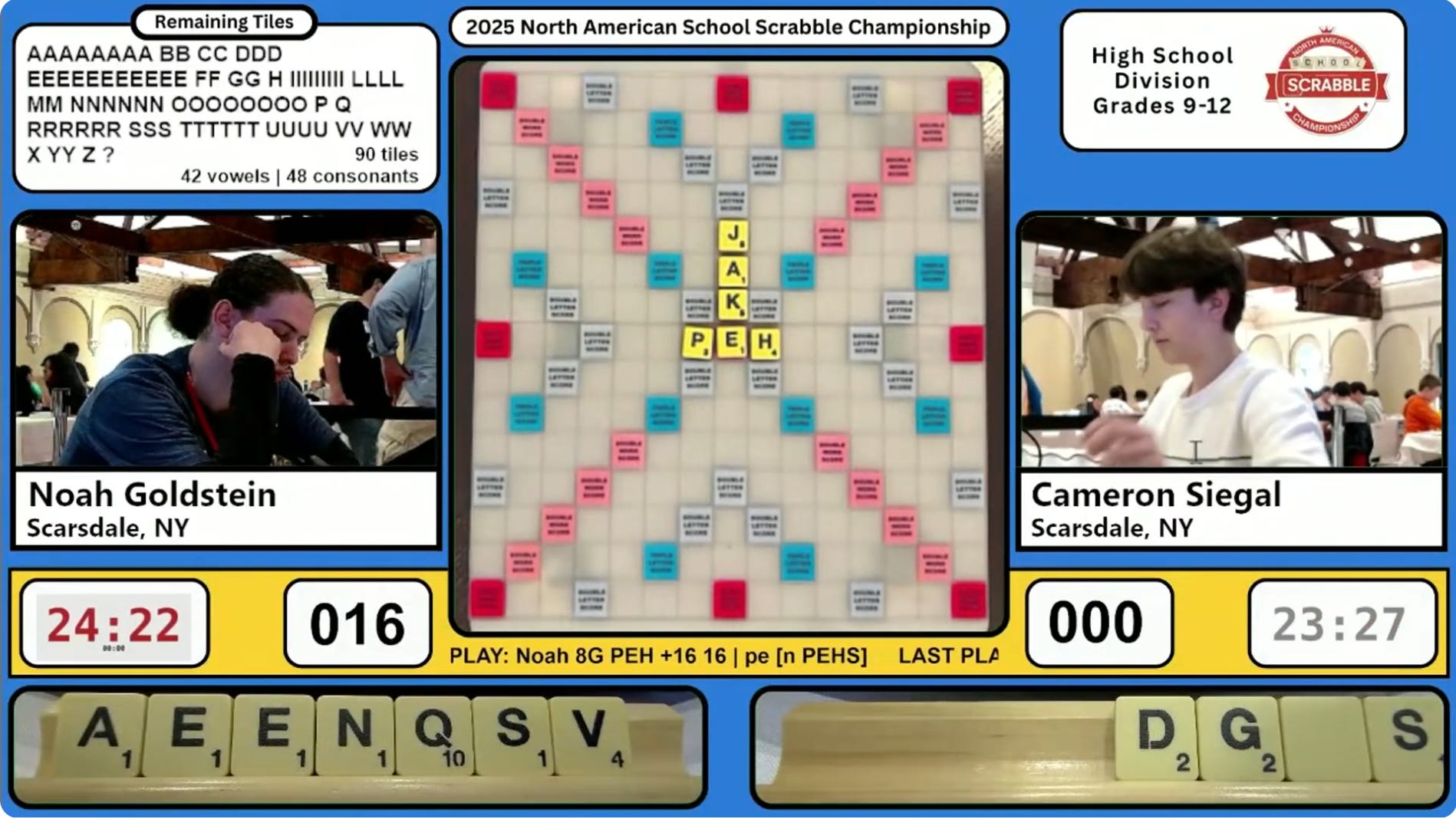
JAKE is defined in the Official Scrabble Players Dictionary, the OSPD, as an adjective meaning “all right; fine.” But JAKES is also acceptable, meaning an outhouse. So when Noah drew an E, an N, and a V, for a rack of AEENQSV, he had some high-scoring moves underlapping PEH, like VASE for 36 points, forming PA, JAKES, and HE. Instead, he exchanged a duplicated E and the clunky Q and V. Reasonable choice, because his leftover AENS is one of the most fruitful combos for making bingos, plays using all seven tiles that earn a 50-point bonus.
But Cam would strike first. He drew all consonants for a rack of DGLNSS and the blank but didn’t panic and found his bingo: GL(A)DNeSS through the A in JAKE (parentheses indicate a letter already on the board; lowercase denotes a blank) for 65 points. Noah pulled the vowels that Cam didn’t. From AEEENSW, he played WEE for 24. The score was 80-40 for Cam.
That’s when things got weird. After his bingo, Cam drew the second blank plus EGLORV, giving him the opportunity for back-to-back bingos and a commanding lead. I was calling the game on the livestream with Chloe, who (dad brag) is now one of the game’s young stars, ranked in the top 20 in North America. Here’s what we said:
Chloe: He has a great post-bingo draw that we’re seeing now.
Me: Second blank! … VLOGGER!
Chloe: Oh, wow!
Me: And it plays!
Chloe: That would be a really nice play.
Me: If that stays open, will Cam know JAKER?
Chloe: Oh, I think Cam knows JAKER for sure.
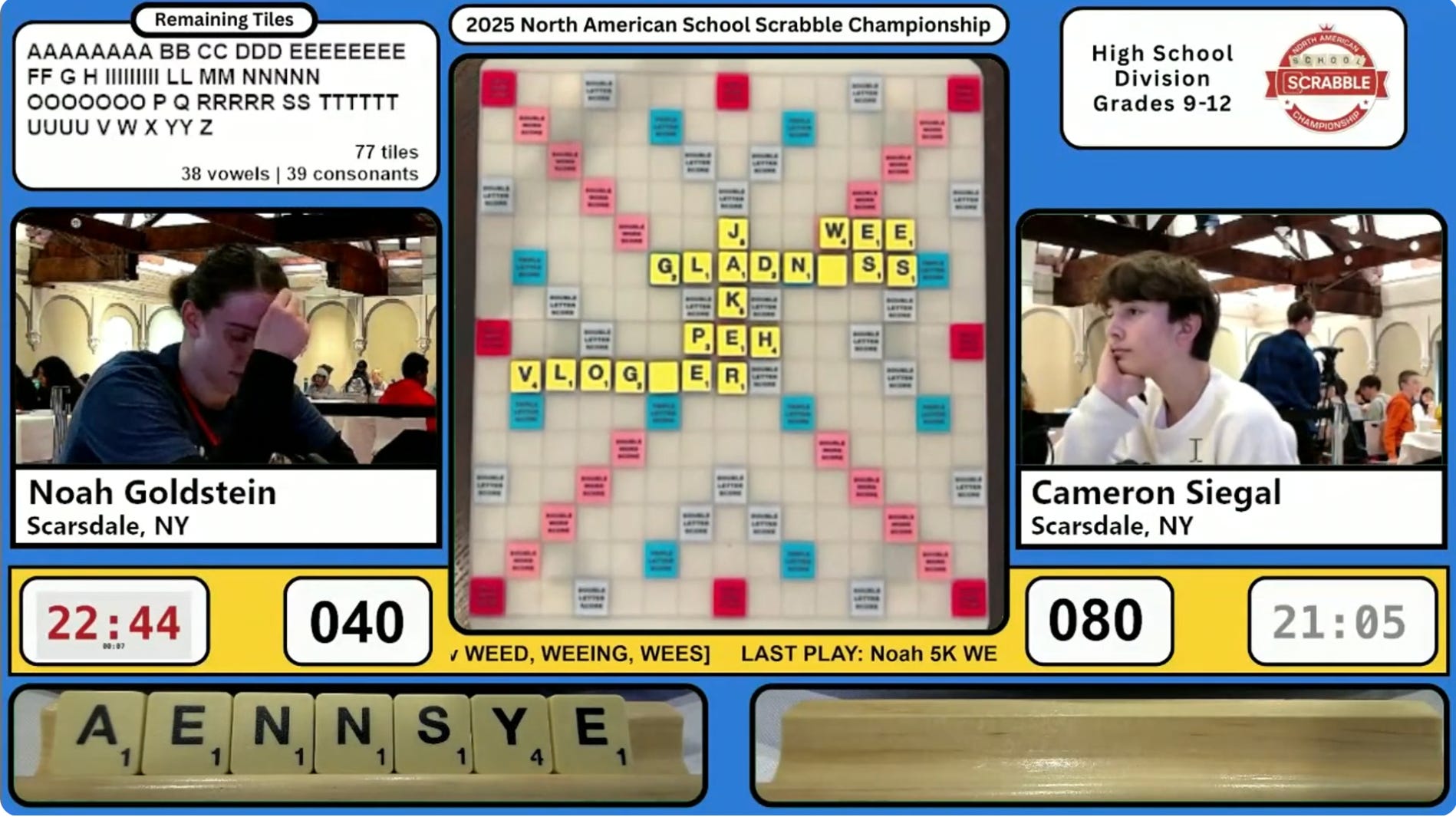
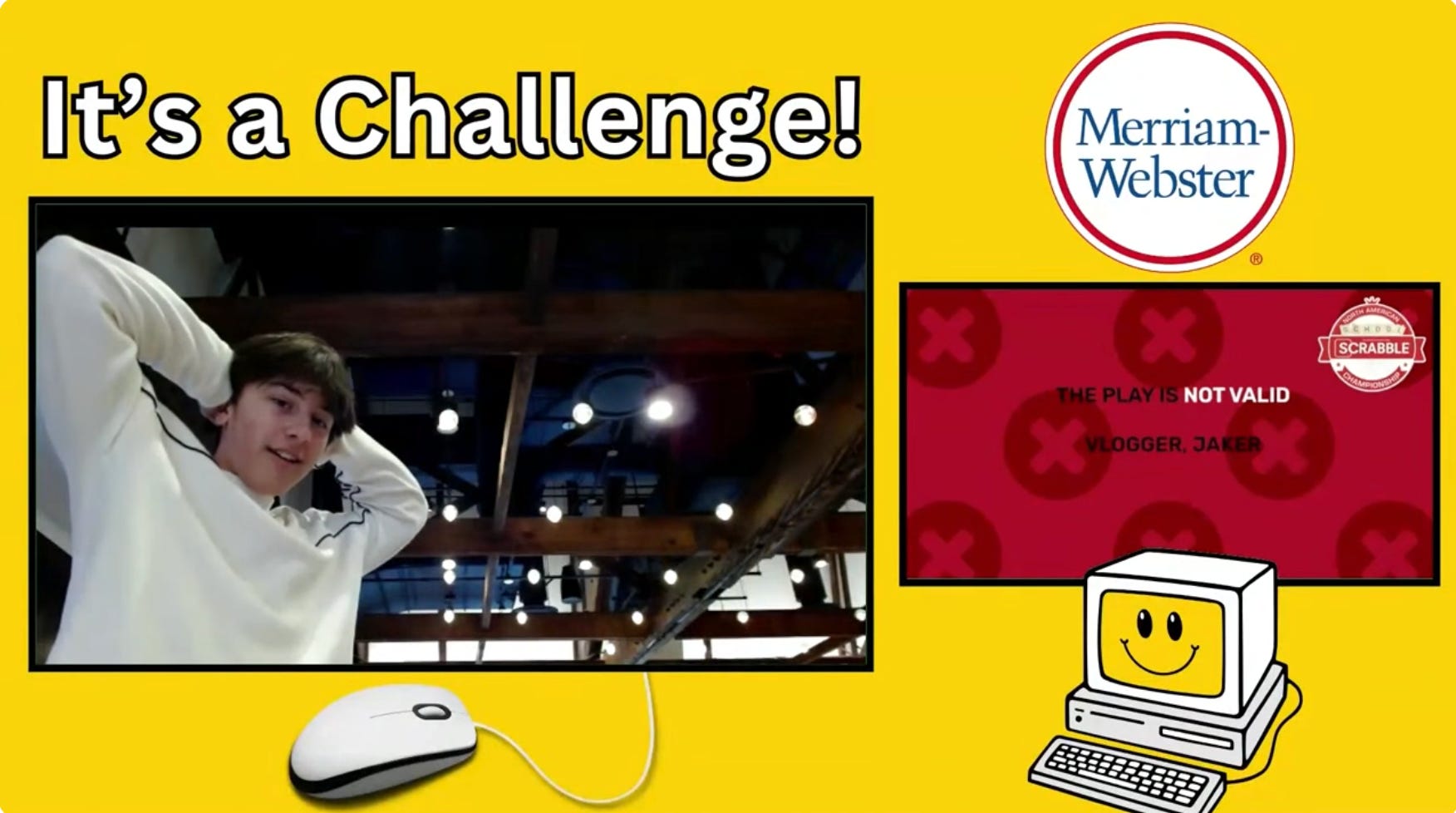
In fact, Cam quickly rearranged his letters into VLOGgER. Then he made the play, simultaneously forming PE (another spelling of the Hebrew letter) and JAKER, for 83 points. But Noah called “hold”—preventing Cam from drawing new tiles to buy time to decide whether to challenge the play. And then he challenged. The players walked to a laptop set to a Scrabble word adjudication app. Cam waved at the camera mounted to the top of the screen—yes, Cam waved at Challenge Cam. Chloe read a promo for Scrabble dictionary publisher and tournament supporter Merriam-Webster Inc. Noah typed in the two words. Cam hit the tab key to get the ruling.
The app was programmed with the official lexicon for the school tournament, the seventh edition of the OSPD, or OSPD7. The word lists used in rated “adult” tournaments are based on that dictionary. But there are discrepancies. Merriam’s mass-market, red-jacketed book doesn’t include base words longer than eight letters or dirty words. Other, subtler differences reflect how the word lists governing Scrabble play have evolved—and those differences were about to cause chaos.
In the commentary booth, Chloe and I thought Noah would lose his challenge. After all, VLOGGER is a common word, dating to 2002, according to Merriam. And JAKER is basic knowledge for competitive Scrabble players, who internalize the extensions of short words, particularly the ones with high-scoring letters, like the five-point K and eight-point J. But after a dramatic pause, the computer flashed a bunch of red exes and a message: THE PLAY IS NOT VALID. Cam threw his hands behind his head in disbelief. “That is a shocking one to all of us,” Chloe said.
Cam picked up his tiles and lost his turn. Noah had a lifeline back into the game.
IN A NOD TO THE CROSSWORD-PUZZLE CRAZE sweeping the country, New York architect Alfred Butts in the 1930s christened his new board game Criss-Cross Words. When it was rejected by publishers and toy companies, and after years of making sets in his Queens apartment, Butts in 1947 cut a production and marketing deal with James Brunot, a retired federal bureaucrat. Brunot changed the name to Scrabble—he liked the sound of the word—and added a few flourishes, including brightly colored premium squares and a 50-point bonus for using all seven tiles at once. In 1952, the story goes, the chairman of Macy’s heard about or played Scrabble and ordered the department store to stock it. Sales shot up from around 200 sets a week to 2,000. The game went viral. More than a million sets were sold in 1953 and nearly four million in 1954.
Butts and Brunot didn’t specify or license a Scrabble lexicon; they figured players would use whatever dictionary they wanted to resolve disputes, or play with no dictionary at all. “It’s only a game. It’s something you’re supposed to enjoy,” Brunot told Life magazine in December 1953. (Cover story: “NIXON, A VICE PRESIDENT WHO IS MAKING GOOD.”) But Life reported that people were arguing over whether MA and PA or the notes of the diatonic scale—RE, MI, FA, LA, TI—should be acceptable. “Brunot’s feeling is that if players want to use such words they can,” the author of the story, Robert Wallace, wrote. “He personally does not give a damn.”
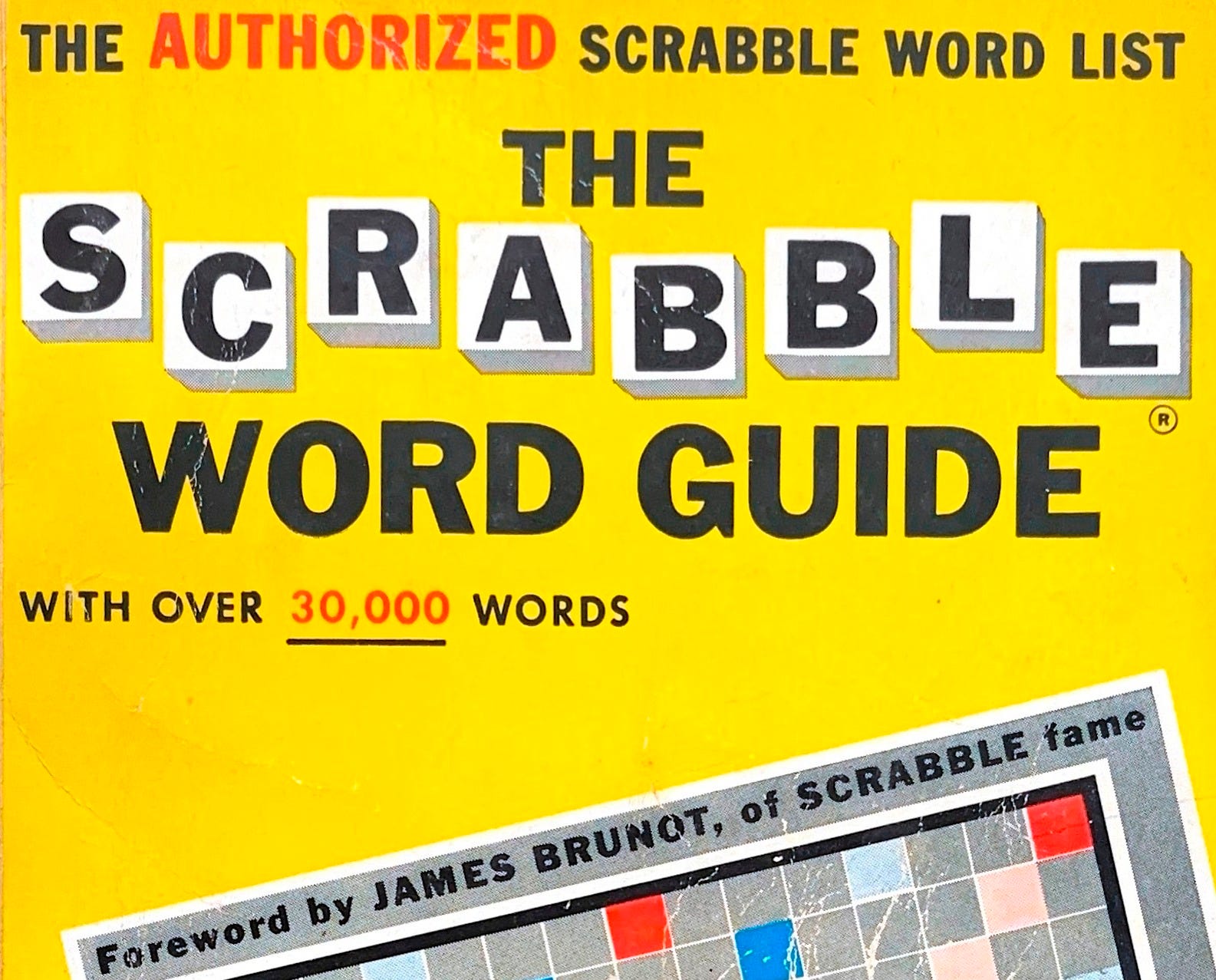
Whatever he thought about how people were playing the hit game, Brunot recognized there was money to be made and consented to publication of an authorized list, The Scrabble Word Guide. “This book is not essential to play SCRABBLE, but those who play intently and play to win will welcome this guide with enthusiasm,” Brunot wrote in a foreword. “Those who take the their SCRABBLE more casually will find this a handy reference to settle many questions about words.”
The 88-page paperback took its 30,000 words from Funk & Wagnalls New Standard College Dictionary. When tournaments emerged in the 1960s and early ’70s, that book remained the unofficial dictionary of choice. But it was a confusing and imperfect source—especially when it came to inflections; wily players would stick RE– or ANTI– in front of nouns and challenge off common verbs that had unspecified past tenses.
So the game’s new owner, Selchow & Righter (which in a few years would hit it big with Trivial Pursuit), licensed Merriam-Webster to produce an official dictionary. A team of Scrabblers assembled a list of all of the two- through eight-letter words, plus inflections, eligible under the games’s rules—no abbreviations, no proper nouns, etc.—found in any one of Funk & Wagnalls, Merriam-Webster, and three other standard, college-level dictionaries. The OSPD was published in 1978. It contained around 80,000 words.
The book’s seven editions consist of words—more than 116,000 now—from a total of more than two dozen different editions, printings, or online updates of nine dictionaries from six publishers. Players did all of the compiling. And complaining. Some argued that the list was flawed because it retained words that appeared in one of the original source dictionaries but never again (looking at you AAL, you East Indian shrub). Others said there were too many alternate spellings of certain words—like WRESTLE, which has six in all (the other five: RASSLE, WARSLE, WARSTLE, WRASSLE, and WRASTLE)—and should be streamlined. Mainly, though, players were just glad to have a definitive, authoritative source.
The first big dictionary blowup occurred in the mid ’90s, when a woman in Virginia discovered the word JEW in the OSPD, defined as “to bargain with.” After a long and uncomfortable flurry of media, Scrabble’s latest (and current) owner, Hasbro Inc., ordered around 200 words labeled “offensive” removed from the book. Irate tournament players argued that meanings were meaningless in Scrabble, that the words were just strings of letters, tools used to score points in a game. A compromise was brokered: Merriam-Webster would publish an over-the-counter dictionary sans offensive words, while club and tournament play, overseen by the Hasbro-funded National Scrabble Association, would be governed by a list of words without any definitions.
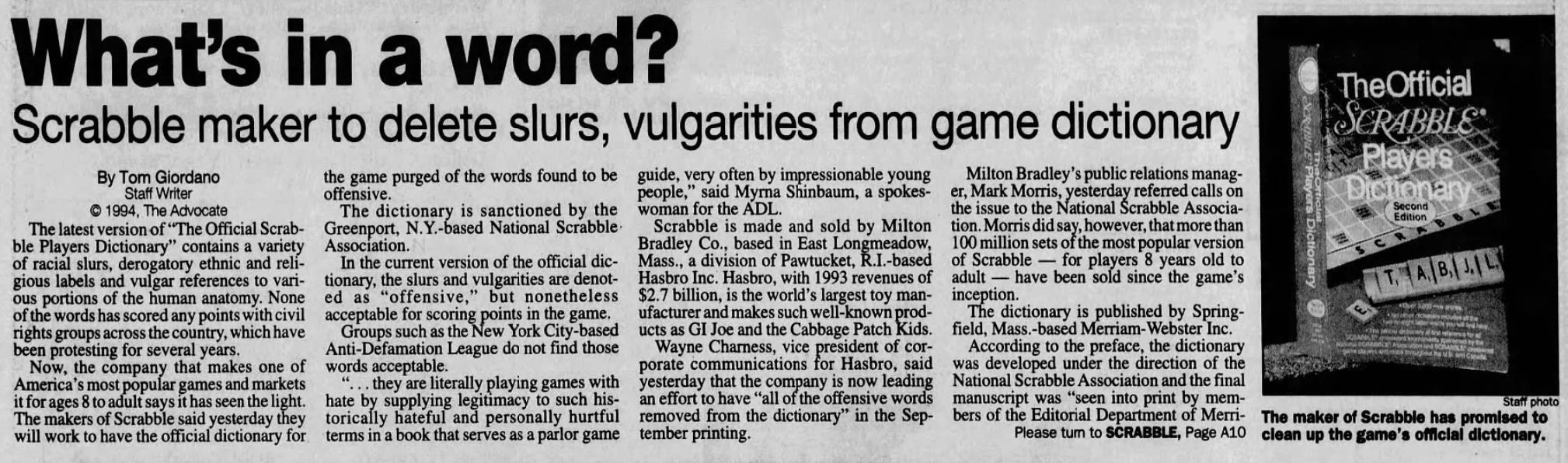
The truce held for years. In 2008, Hasbro largely stopped supporting adult tournament Scrabble. The National Scrabble Association eventually was replaced by the North American Scrabble Players Association (NASPA), a nonprofit licensed but not funded by the game’s owner. A NASPA dictionary committee continued the laborious process of scouring select dictionaries for new words to update both the OSPD and the tournament list.
THE DICTIONARY COMMITTEE’S LONG-SERVING CHAIR, a reference librarian from Alabama named Jim Pate, revered the methodical and methodologically driven process of lexicography. He wanted to ensure—as did Merriam-Webster, America’s most iconic dictionary-maker, with roots dating back more than two centuries—that every word on the Scrabble word list was a dictionary-sanctioned word. The credibility of competitive Scrabble, where boards are crammed with linguistic obscurities memorized by players, hinged on it.
Pate’s team prepared lists of candidate words that were sent for vetting to a Merriam lexicographer, Jim Lowe, who edited the first five editions of the OSPD. Part of the committee’s job was to identify new words—boldface entries in the print lexicons that weren’t in the Scrabble dictionary. But dictionary styles varied; some books didn’t specify inflections, or even plurals. So committee members marked possible inflections of words old and new. The system worked. The Scrabble players made suggestions and Merriam-Webster rendered informed decisions, which the dictionary committee accepted as final.
“We don’t have the expertise to say, ‘Yes it is or is not’ ” a word, Pate told me in 2005. “But we do have the background to say, ‘Should it be?’ ” He added, “It’s grunt work. You check every word, you check every inflection of every word.”
In 2014, Merriam published OSPD5, and NASPA updated its word list. As in the past, the dictionary committee provided Merriam with potential additions culled from Merriam’s free online dictionary and two new sources, the Oxford College Dictionary and the Canadian Oxford Dictionary. Dictionary committee members flagged at least a couple hundred words for Merriam to review. Most were inflections of adjectives that weren’t specifically noted in the sources. Some of them seemed to defy linguistic logic, like LUCIDER/LUCIDEST and INHUMANER/INHUMANEST. (The reply if you type lucider into the Oxford English Dictionary search bar: “Did you mean Lucifer?”) Others just seemed silly: GADGETIER/GADGETIEST; HICCUPIER/HICCUPIEST; KETCHUPIER/ KETCHUPIEST; SEAWEEDIER/SEAWEEDIEST; SHOWBIZZIER; SHOWBIZZIEST; THUNDERIER/THUNDERIEST; VOMITIER/VOMITIEST. JAKER and JAKEST were on the list, too.
Comparative and superlative inflections are thorny. “Judgments about the acceptability of -er/-est forms are admittedly all over the place,” the linguist and writer Ben Zimmer told me. “It’s one of the gray areas in English morphology about attaching these suffixes.” In the absence of firm rules, dictionaries like Merriam typically rely on usage, often noting specifically when an inflection is considered valid. For instance, it took decades for funner and funnest to be admitted as valid inflections of fun, which originated around 1700 as a noun and didn’t become an adjective for more than a century.
But, for space reasons on the printed page, dictionaries didn’t always include all inflections, so it made sense to compile the list of potential words and let the trained pros at Merriam make the final call. In the case of a word like jake, for instance, a NASPA dictionary committee member would write, “JAKE adj -r -st … check with MW whether inflections are valid.” The uppercase JAKE meant that the word was entered in a dictionary. The lowercase “-r” and “-st” meant that those inflections—jaker and jakest—were not. “If we didn’t make inferences or ask questions,” one dictionary committee member told me, “then you could get a situation where even obvious plurals would not be added.”
In 2014, though, because of editing and communications issues, Merriam didn’t complete its normal review of highlighted words in time for NASPA’s deadline. Plus, Jim Pate, the group’s lexicographic conscience, stepped aside as committee chair during the final months of editing. Some dictionary committee members lobbied to omit all of the suspect words and wait for Merriam to rule later—they could be added the next time around. Instead, NASPA’s leadership opted to bypass Merriam and include them all in the updated tournament word list.
Dictionary-makers like Merriam-Webster have a baseline standard for admitting words: steady usage, over substantial time, in professionally edited publications. NASPA set a much lower bar, clearing words based on its own random finds on Google, often from specialist books or publications. That had never been the case for the tournament Scrabble list before. “There was little or no checking with MW,” the dictionary committee member said.
Overall, the 2014 update was a fun one: four new two-letter words—DA (dad), GI (a martial arts garment), PO (a chamber pot), and TE (the musical note TI); some game-changing three-letter words like REZ, short for reservation, and TIX, for tickets; and cool stuff from the Canadian source, including the Inuktitut word QAJAQ. Thanks to the addition of the unverified words, though, the word list for competitive Scrabble diverged from Merriam-Webster’s OSPD more than ever, well beyond the offensive words removed in the 1990s.
Many of the questionable additions were unlikely to be played in a game, let alone added to a standard dictonary. Take SCHTUMMEST—a 10-letter word packed with consonants (there are only two each of C, H, and M among Scrabble’s 100 tiles, and only four S’s). The adjectival inflection of SCHTUM (or SHTUM), a Yiddish-derived word meaning silent, was inferred by NASPA’s researchers. But there’s almost no real-world usage. In Newspapers.com, which archives more than 30,000 papers, I found zero hits for shtummest or schtummest, one for shtummer, and two for schtummer, by the same writer in the same paper. A search of the Corpus of Contemporary American English—which contains more than a billion words collected from written text between 1990 and 2019—yields no examples of shtummer, shtummest, or schtummest, and just one for schtummer, from a 2011 novel about Amish life, A Time to Heal: Quilts of Lancaster County, Book 2, where it’s used as a noun and italicized as a foreign word.
In its word database, NASPA acknowledges that SHTUM inflected forms are rare. “SHTUMMER is hard to isolate online because of its noun sense, and because inflections of less common alternate spellings of words are particularly hard to find,” NASPA copresident John Chew, who took over the dictionary committee, wrote. “There is at least one use of the phrase ‘the shtummest of shtum’; and it would be worth checking periodically to capture a good citation.” Or, as I found, there just aren’t any.
Other bogus additions, however, were high-probability, consisting of the most frequently occurring letters in English, and in Scrabble, and common to competitive players who study word lists and practice anagramming. Over the years, I’ve played or seen IRONIER, PARTIEST, SATINIER, INAPTER, and SUETIER hit the board. (The last two eventually were excised as “invalid” and “probably invalid.”) A few weeks ago, I played IVOrIEST, using a blank for the R. There are some Google hits for ivoriest, not in the made-up definition NASPA supplies—”resembling an elephant tusk in color”—but punning off the phrase “ivory towers”; GQ in 2009 published a college guide to “our nation's Ivoriest Towers of douchery.”
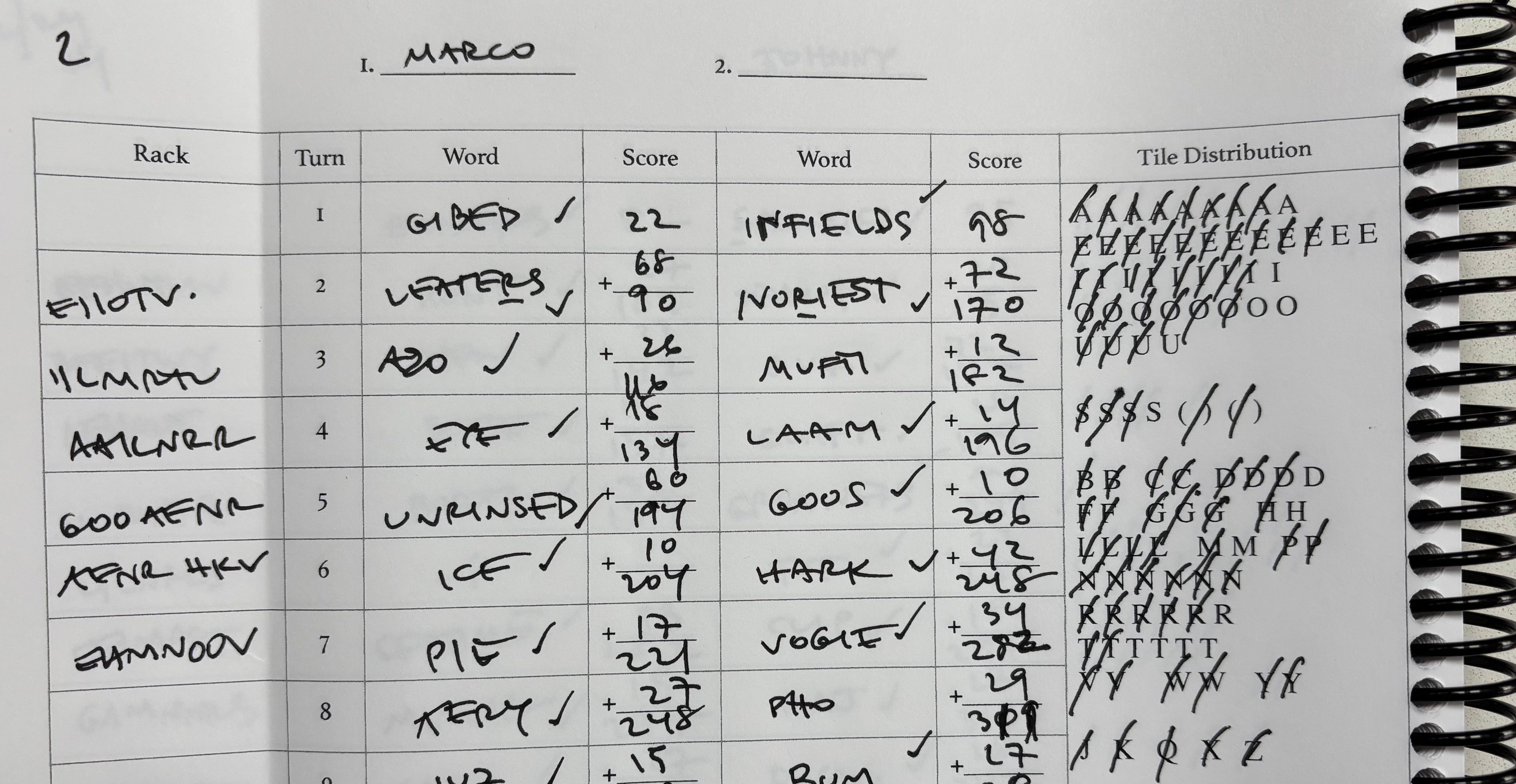
But none of those letter strings can be found in the Official Scrabble Players Dictionary, and therefore aren’t acceptable in School Scrabble. Ditto for JAKER, which turned out to be the guilty party in the game between Noah and Cam: approved for rated tournament Scrabble but never authenticated by the lexicographers at Merriam-Webster, and therefore never added to Merriam’s online dictionary or to OSPD5 in 2014, OSPD6 in 2018, or OSPD7 in 2023, the book used to adjudicate last year’s school championship.
A ghost word, lurking in tournament Scrabble and almost nowhere else.
NASPA’S WORD DATABASE JUSTIFIES JAKER and JAKEST with a single citation from a 1993 book, Blue Ruin: A Novel of the 1919 World Series by Brendan Boyd: “It was a thrilling conceit, and a feasible one. I fairly floated back to my train on its prospects. Returning to Saratoga was the jakest part.”
The book, which I perused in the Library of Congress, is written in the voice of a narrator from the time. “I’ve met a fair number of pigeon-pluckers in my travels,” he says, using old-timey slang for a con artist or thief. There are references to eating ham and onion sandwiches and “a boiled egg and a half cup of mocha,” and to Elmo Lincoln, the first actor to play Tarzan. And to someone having “an eyeshut,” meaning sleep or a nap. I found that term in newspapers from the 1910s but almost no other time. The word isn’t in the OED, which is a historical dictionary, meaning it includes period usage. Based on that single citation, should EYESHUT, an anagram of SHUTEYE, be playable in Scrabble? Of course not. It doesn’t rise to the level of inclusion in modern dictionaries.
Despite squishy rules for inflections, a professional lexicographer would set aside the citation for jakest in Blue Ruin, too; it simply isn’t solid evidence for adding the word to a contemporary lexicon. (Also, NASPA assumed the validity of jaker from the one hit for jakest, which lexicographers wouldn’t do.) Ben Zimmer noted that the OED in its entry for jake (first known use: 1914) doesn’t include any citations for either inflection. And while Zimmer and I found numerous hits for jaker and jakest in newspapers from the 1920s and ’30s, there was insufficient evidence that they ever joined the linguistic mainstream.
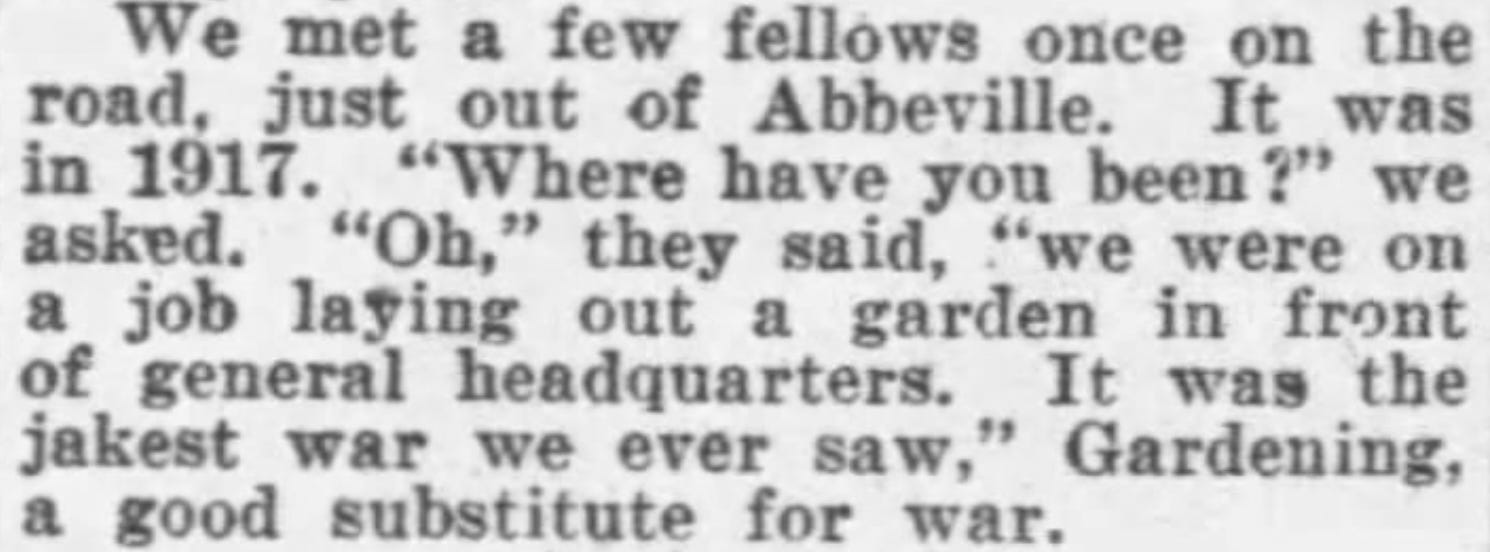
“It was new slang that people were having fun with,” Zimmer said. “That doesn’t mean dictionaries are going to indicate that in an entry.” He noted that jaker also has a nounal baseball sense, meaning a player who loafs, that dates to the 1920s. But that, too, lacks broad use.
NASPA’s linguistic laxity has only accelerated in the last decade. For its word-list update in 2023, the group added several hundred legit new words from Merriam-Webster—ARO, BAE, DOX, FAV, VAX; COVID, GUAC, JEDI; AMIRITE, DOGPILE, HEADBUTT. (I defined the last two while embedding at Merriam as a lexicographer for my new book about the world of dictionaries, Unabridged.) And, as in 2014, it went further.
This time, though, NASPA didn’t even submit the usual list of flagged entries for Merriam’s sanity check. It just poured in more words on its own, applying what lexicographers told me were erroneous interpretations of rules in the explanatory sections of Scrabble’s old source dictionaries—along with lots of flimsy citations. The new nonword words included some howlers: plurals like NEWSES, ROUXES, FECESES, DEBRISES, MIREPOIXS, and HORSEFEATHERSES; the three-E GRATINEEED, which was a likely typo in an old source dictionary; and more inferred inflections, including BROIER and BROIEST, which, I learned, Merriam specifically chose to omit when it added BROEY. And get this: JAKESES—an inferred plural of JAKES, the noun meaning an outhouse—justified in part as “Found in OED,” where, in fact, it appears in only in a search bar dropdown, not in the actual entry; online dictionaries often include possible forms there to steers users to the correct entry.
Here’s another piece of Scrabble slop: GLANDERSES, an alleged plural of GLANDERS, a disease of horses. Merriam-Webster explains that glanders is “plural in form but singular or plural in construction”—meaning it’s already plural; there’s no glander. The NASPA database asserts that GLANDERSES is acceptable under guidelines in the fifth edition of Webster’s New World Dictionary, published in 2014—a “standard plural of a singular form” when no plural is listed. The editor of that book, Steve Kleinedler, told me, however, that NASPA was misreading rules about plurals written broadly for a general audience. NASPA also justifies GLANDERSES on grounds that it’s in the “online index” of the fifth edition of the American Heritage Dictionary (2011). When you start typing GLANDERS into that that dictionary’s search bar, the -ES form does appear in the dropdown. (It doesn’t show up in Merriam’s dropdown.)
NASPA laid out its rationale for the additions in a dense and jargony report, defending the questionable words on the idea that competitive Scrabble has different needs from a traditional dictionary. “We have a history of permissivity in our game … in recognizing inflections in the absence of evidence to the contrary,” NASPA copresident John Chew, who took over the dictionary committee in 2014, wrote in an email. (Neologism note: Permissivity isn’t in Merriam-Webster or NASPA’s list.) Chew added: “If what regular lexicographers did had direct application to the editing of a tournament word list, then we wouldn’t need to edit our own!”
Still, the JAKER-izing of competitive Scrabble has broader implications. The small subculture is already an organizational and lexical shitshow. NASPA Games, as the group has been known since Hasbro terminated a relationship a few years ago, licenses its word list to game-makers including The New York Times, which is using it, offensive words and all, for its new Scrabble knockoff, Crossplay. A rival tournament group, Word Game Players’ Organization, or WGPO (pronounced wig-po), employs a modified word list; WGPO rejected NASPA’s 2020 decision to remove slurs and nixed dozens of NASPA’s questionable 2023 additions. On top of that schism, an increasing number of players in North America compete under a fatter international-English word list based on the British dictionary Collins.
Meanwhile, of the million or so daily users of digital games-maker Scopely Inc.’s official Scrabble app, about half of English-language players select the NASPA list as their source dictionary and half the Collins list. Words With Friends, which has about three times as many daily users, has its own lexicon. And then there’s School Scrabble. When the youth championship was first held in 2003, the source dictionaries were the OSPD and, for longer words, Merriam-Webster’s Collegiate Dictionary. For most of the 2010s, the tournament used the NASPA list minus offensive words.
After I helped revive the kids’ tournament post-pandemic, we switched back to the OSPD; Hasbro is the event’s primary sponsor and licenses Merriam to publish the Scrabble dictionary. But there was a small problem. The NASPA school list was used for years as the basis for a common study aid, the Cheat Sheet, which included seven short words never sanctioned by Merriam. Rather than ask students to forget basic words they may have learned, we added the seven—CAL, SEZ, WUZ, XED, YER, YEZ, and OUTA—to an electronic file of the OSPD and gave that list a new name, OSPD7+.
That’s six separate Scrabble word sources—seven including Words With Friends. The linguistic clusterfuck isn’t entirely NASPA’s fault; after all, I’m responsible for one of those lists, and choosing to use the OSPD for the school championship led directly to JAKER-gate. But NASPA’s altering a decades-long relationship with Merriam-Webster and cosplaying as lexicographers has engendered frustration among players over dictionary disunity; confusion in toggling among different word lists for different tournaments; and, in the absence of a traditional dictionary authority—which the game for decades used to parry complaints about strange words—concerns about a lack of credibility.
“If the whole point is, ‘We need a lexicon that people can trust,’ ” Ben Zimmer said, “you’re going to get in trouble when you start including words that aren’t explicitly listed in a dictionary.”
“IF I WERE CAM, I WOULD STILL BE TOTALLY TILTED about that last play coming back as a phony,” Chloe said on the livestream, using a poker term meaning flustered to the point of distraction (which may have originated in pinball and has been adopted by Scrabble). I noted for the audience that JAKER wasn’t in Merriam-Webster’s online dictionary—but still didn’t know why. “I’m kind of on dictionary tilt right now,” I said, “because I wish I could explain what’s going on.”
Both Cam and Noah had erroneously suspected that VLOGGER was the invalid word, not JAKER. (In a multi-word challenge, the adjudication software doesn’t say what’s acceptable and what’s not; it’s up to the player to decide whether to try a word again.) “There was some part of me hoping that VLOGGER was too new to be added,” Noah told me after the tournament, explaining that he challenged out of desperation because, if the play had been good, he would have fallen behind by more than 120 points. “I was like 95 percent sure JAKER was a word.” Said Cam: “I was like super confident.”
They were right, of course. In the lexicons under which Noah and Cam normally compete, JAKER is valid, even if most players have no idea that it’s valid for flawed lexicographic reasons. The boys told me they had reviewed a bunch of words that were acceptable in rated play but not in the school event—FEM (a slur), ZENS and JIAOS (nonstandard, lexicographically unsupported plurals added by NASPA), and more. But not the older stuff like JAKER. “I was just lucky,” Noah said.
Cam on his next turn played LOVER in the same spot as VLOGGER and made JAKER again. This time, Noah didn’t challenge. Cam bounced back from the sequence and won, 426-360.
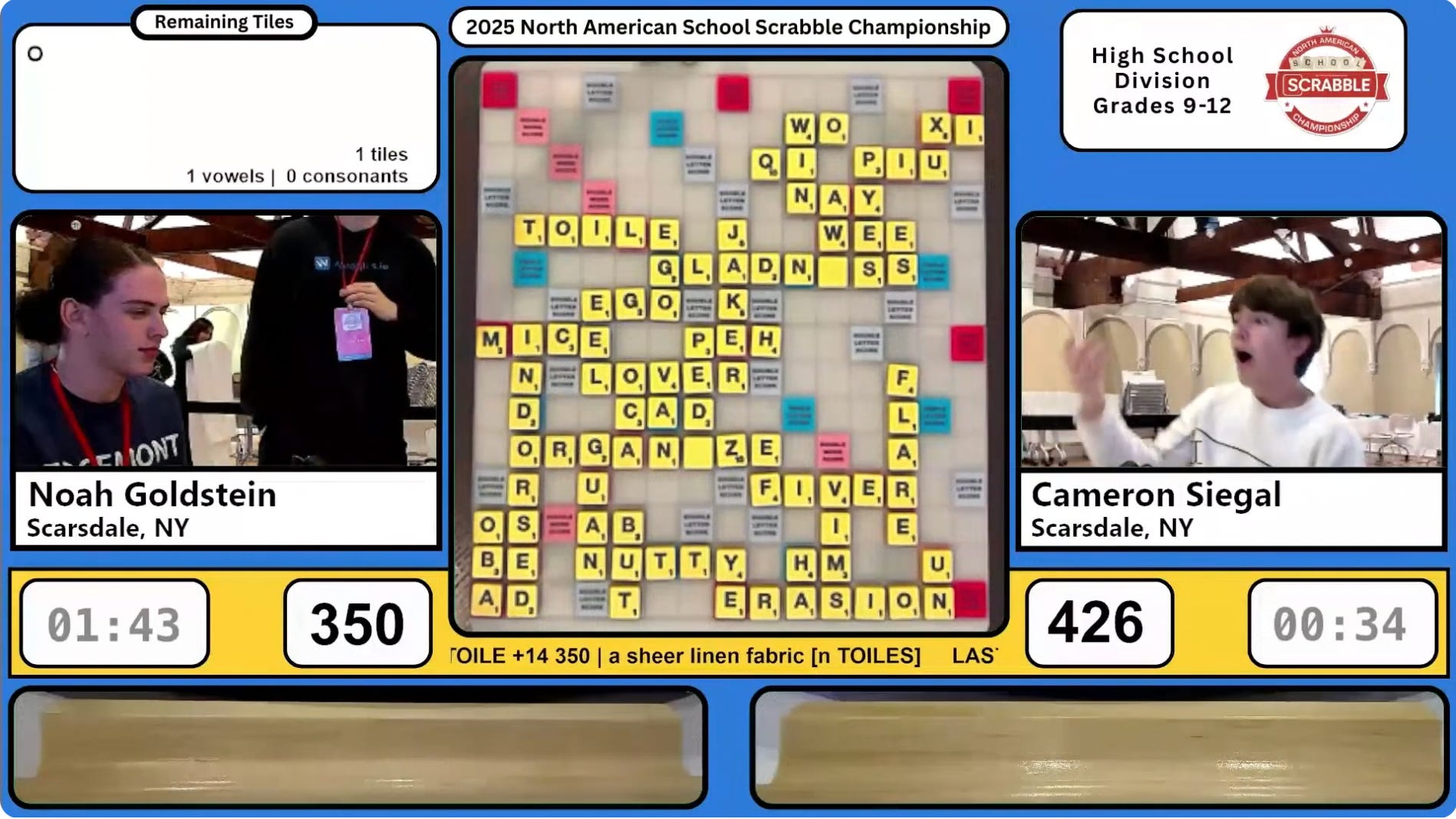
The victory ensured Cam a spot in the championship final, where he dropped an insanely tense game (5:51:10 mark) to his friend, and one of my D.C. players, 11th-grader Gideon Brosowsky, 389-382. Noah finished third.
For Cam and Noah, and for me, JAKER entered the pantheon of Scrabble Words You’ll Never Forget Because Something Weird Happened. Just a couple of weeks ago, in a group chat including the kids, Gideon asked for examples of “stupid words” added by NASPA. His brother, expert player and UCLA junior Emmett Brosowsky, listed the aforementioned FECESES, HORSEFEATHERSES, MIREPOIXS, and GRATINEEED. I said JAKER. Another expert, Seth Lipkin, replied that he played JAKER during his appearance as a contestant on the new TV game show Scrabble, but it was removed because it wasn’t in OSPD7. (Lipkin played JAGER instead with no penalty.)
I put down my phone and clicked on Woogles, a site created and favored by competitive Scrabblers, where I was playing a friend. My letters were AEIIKRU. I probably should have dumped some combination of the duplicate I’s and the lousy U to clean up my rack—the computer engine liked REIKI (a healing technique involving touching with the hands, per the OSPD) down from the R in MEETERS for 19 points, or AUREI (the plural of AUREUS, a gold coin of ancient Rome) above the last two letters of the same word for 15.
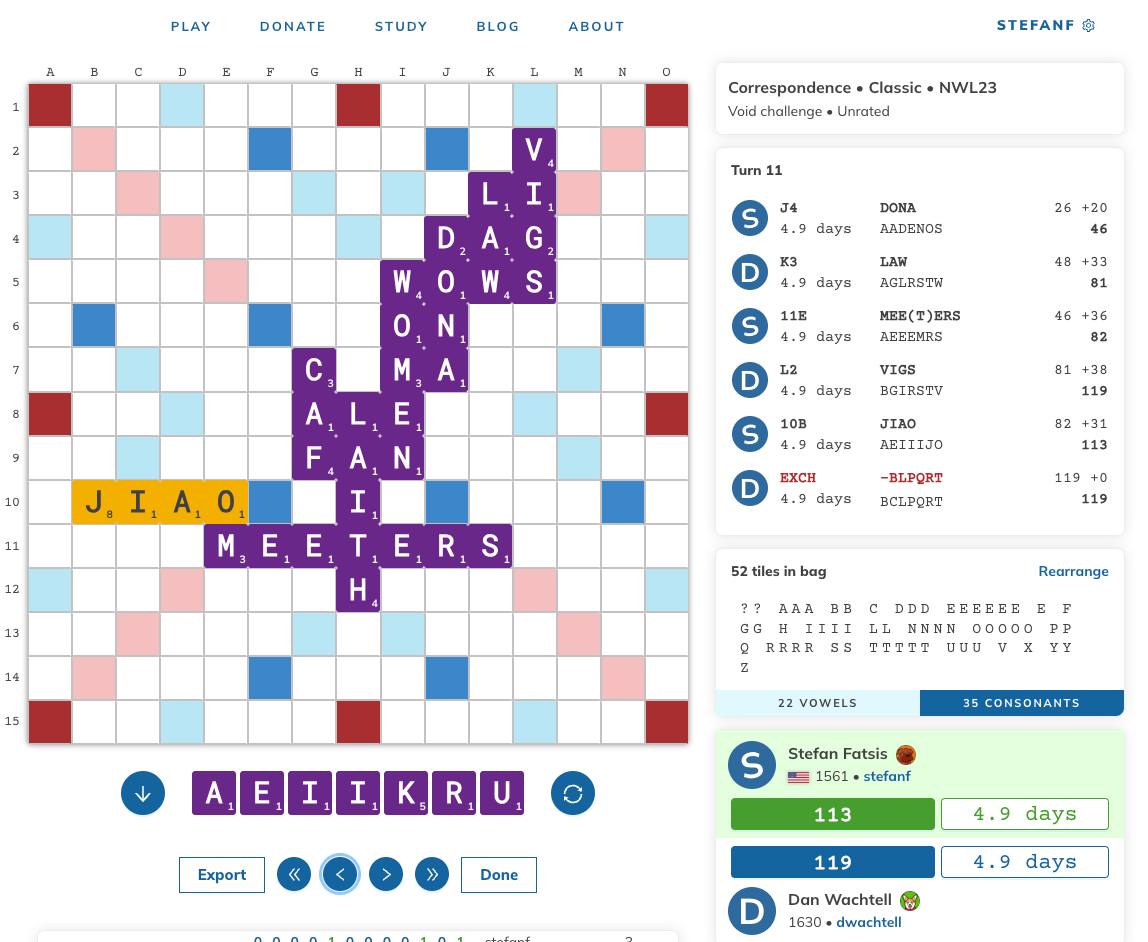
But I instantly spotted and played the highest-scoring move, worth 32 points. I hopped back into the group chat, typed “FIVE SECONDS AGO,” and posted a screenshot:
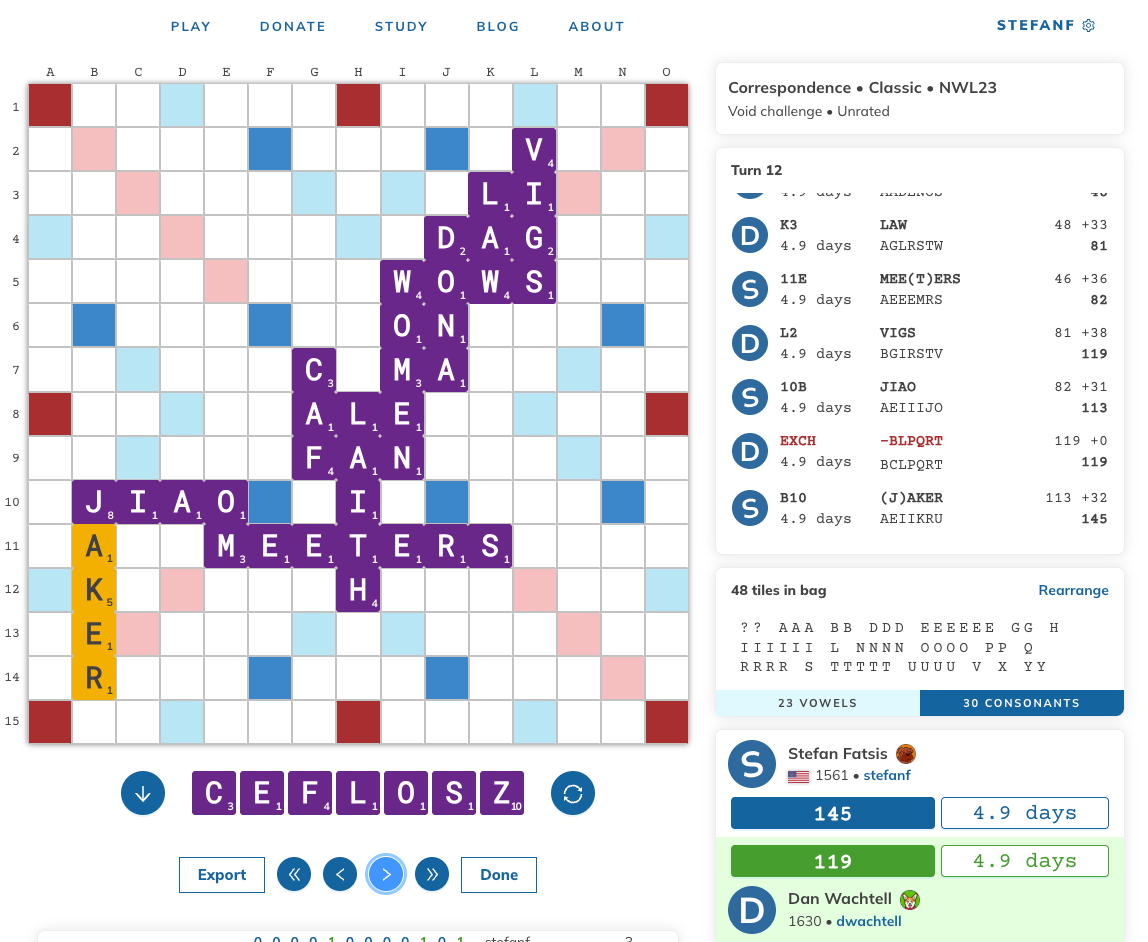
“Hell yeah,” Emmett wrote.
“Scrabble, man,” I replied.
The 2026 North American School Scrabble Championship is back in D.C. this weekend. Noah and Cam are again the top two seeds, and they’re climbing the competitive ranks; Noah just broke into the top 100—higher than me—and Cam is around 160th. The defending champ, Gideon, is back, too, along with other kids whose Scrabble game is beyond their years. You should watch the tournament. It could be the jakest ever.
Great article. Janet than the last!
Excellent read!